Tulum Guide: Beach Zone vs Pueblo, Ruins, and Real Costs
In this guide
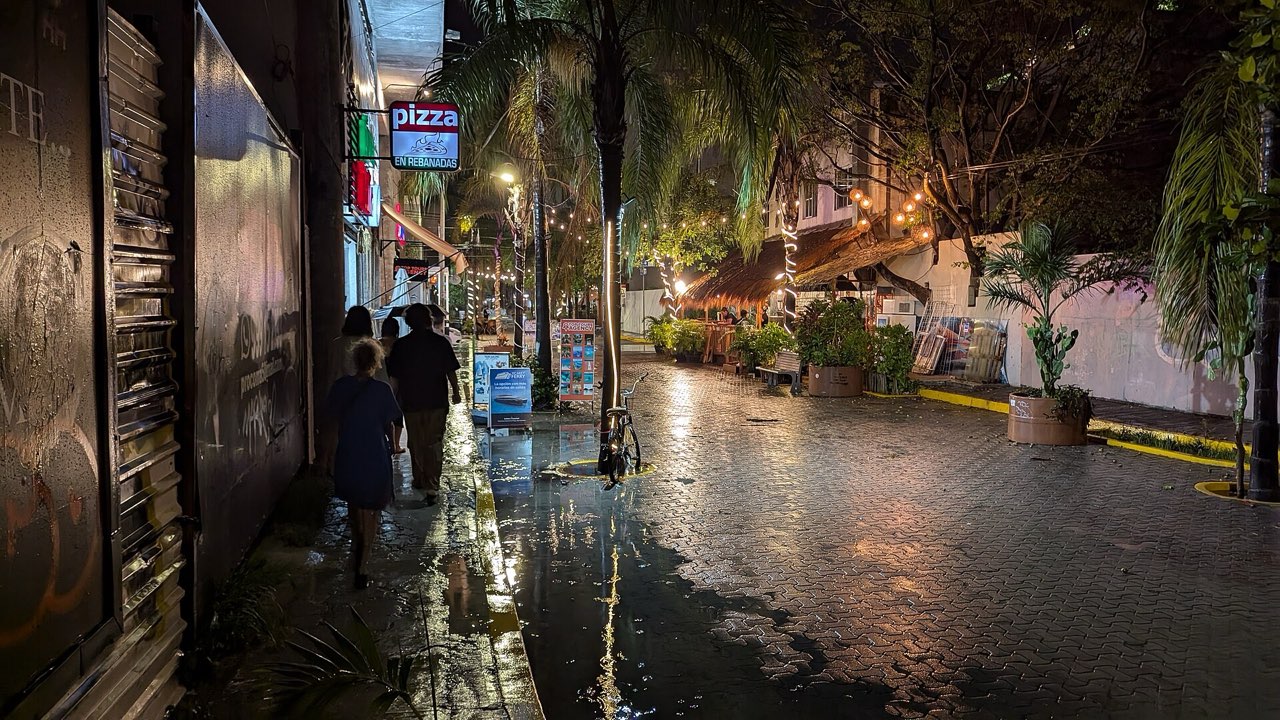
Tulum is really two places wearing one name. Tulum pueblo is a regular Mexican town on the highway — taquerías, hardware stores, hostels, normal prices. The beach zone (zona hotelera) is a narrow jungle road between the mangroves and the sand, lined with eco-chic boutique hotels, designer beach clubs, and prices that are — plainly — the highest on the entire Riviera Maya coast. Knowing which Tulum you are booking, and how the ruins, cenotes, and transport connect them, is the whole game. Here it is.
Beach zone vs pueblo: the decision that sets your budget
| Beach zone | Pueblo (town) | |
|---|---|---|
| Nightly rates (approx.) | $300–800+ USD boutique; little under $200 | $30–120 USD |
| Food & drink | $15–30 USD cocktails, $40+ dinners common | Tacos 20–30 MXN, comida corrida 100–150 MXN |
| Beach | On it | 4–10 km away |
| Getting around | Bike or pricey taxis | Walkable + colectivos |
| Vibe | Curated jungle-chic, wellness, DJs | Working town, backpacker energy |
The beach zone delivers a genuinely beautiful thing: palm forest meeting white sand, barefoot-luxury hotels, candlelit restaurants under the canopy. But be clear-eyed — this is a premium product at premium-plus prices, many hotels still run partly on generators (power cuts and spotty air conditioning are not rare), and the single narrow road clogs badly. Beach clubs typically charge minimum consumption of roughly $30–100 USD per person to use their loungers.
The pueblo is where budget and mid-range travelers should sleep. You give up walking onto the sand, and in exchange the same vacation costs a third as much. Rent a bike (roughly 150–250 MXN/day), catch colectivos to cenotes, and taxi or pedal to the beach for day use. The town’s food scene has quietly gotten very good — from street pastor to serious mid-range kitchens — at prices that feel like a different country than the beach road.
If Tulum’s prices give you pause, note that Playa del Carmen offers a walkable beach-town experience at mid-range cost, an hour north — many travelers day-trip to Tulum from there instead.
The ruins: go early, that’s the entire strategy
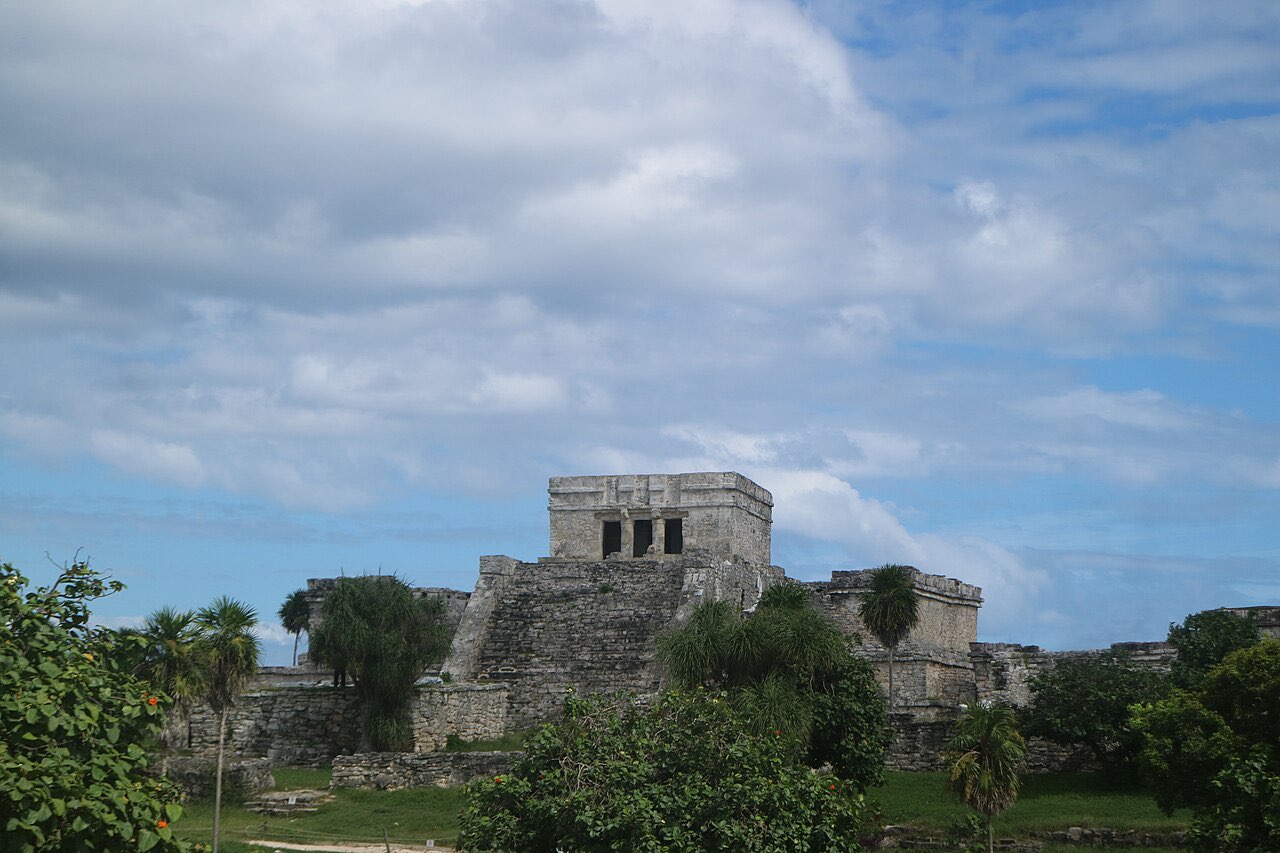
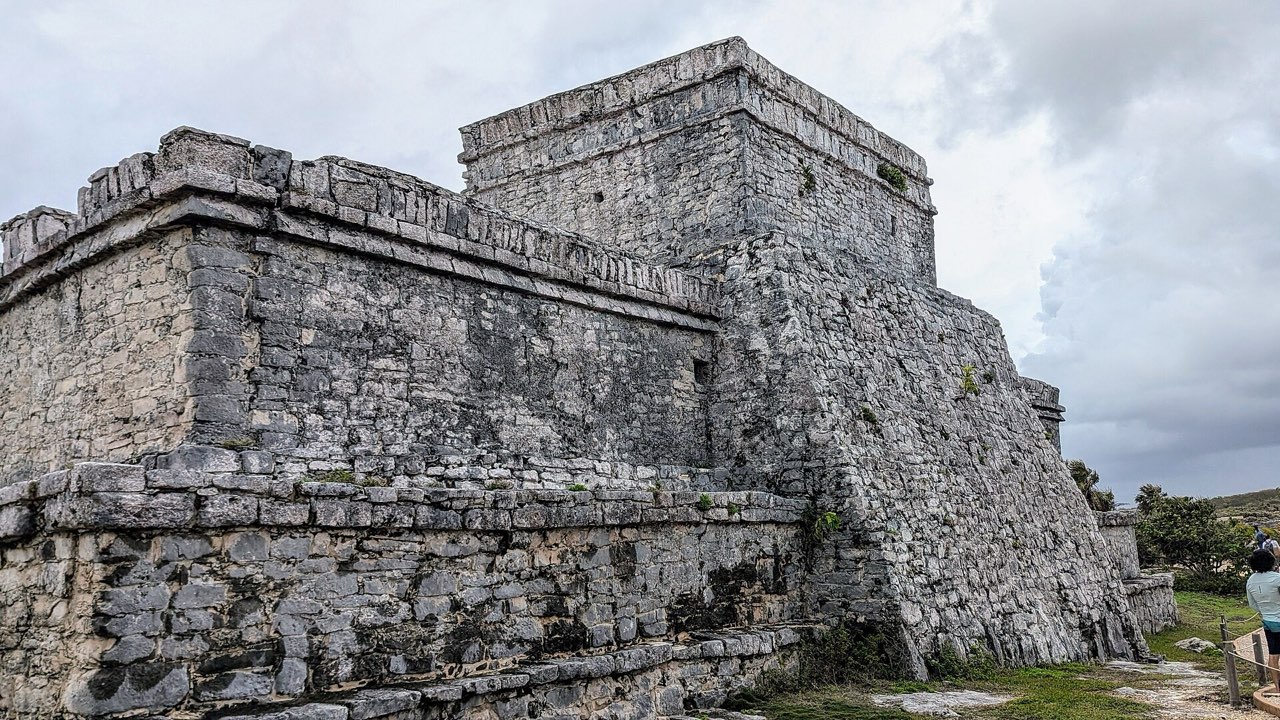
The Tulum archaeological site is the region’s most photogenic Maya city — a walled clifftop settlement above turquoise sea. It is also small (an hour covers it), shadeless, and, from mid-morning, absolutely mobbed by tour buses from Cancun and cruise excursions.
The play: be at the gate for the 8 a.m. opening. You get soft light on the El Castillo cliff views, iguanas warming up on thousand-year-old stones, and elbow room that simply does not exist at 11 a.m. INAH lists a unified entry fee of 265 MXN for foreign adults as of October 2026 (80 MXN for Mexican nationals); older figures of 455 to 515 MXN predate a fee cut announced in July 2026. Carry cash and confirm the current amount at the gate or on the INAH page; see our Tulum ruins tickets and hours guide. The site entrance sits a few kilometers north of the pueblo: bikeable, or a short colectivo/taxi hop. There is a beach cove below the ruins for a post-visit swim when conditions allow.
Skip the midday visit entirely. If you cannot do early, do the last entry window instead — anything but noon.
Cenotes: Tulum’s real headliner
The dense limestone around Tulum holds some of the best swimmable cenotes anywhere, most within a 5–15 minute drive or bike ride of town:
- Gran Cenote — the crowd-pleaser: boardwalks, turtles, a snorkelable cavern arc. Entry roughly 500 MXN. Go at opening.
- Cenote Calavera — the “Temple of Doom”: a jump-in hole with a ladder, small and atmospheric, beloved by divers and photographers. Entry roughly 250–300 MXN.
- Dos Ojos — twin flooded caverns north of town; arguably the best snorkeling-in-a-cave experience on the coast. Entry roughly 500–600 MXN.
- Carwash (Aktun Ha) — open-air, lily pads, occasional small crocodile fame, cheaper and calmer.
Rules worth respecting: no regular sunscreen (biodegradable only, and ideally none — rinse off first), no touching formations. Full comparisons, fee ballparks, and timing strategy are in our best cenotes guide.
Getting to Tulum
- From Cancun airport (CUN): ADO buses run direct to Tulum’s downtown terminal in roughly 2–2.5 hours for roughly 250–400 MXN. Private transfers run roughly $120–180 USD. All options compared in our airport transfer guide.
- From Playa del Carmen: colectivos (roughly 50–70 MXN) and ADO buses run constantly; about an hour.
- Tulum’s own airport (TQO): Tulum International opened in December 2023 about 25 km south of town, with direct flights from a growing list of US cities plus domestic routes. It can save you the 2-hour transfer from Cancun — but route networks and fares are still evolving, so compare against CUN before booking, and verify current transfer options from TQO (taxis and some shuttle services; distances are not trivial).
- The Tren Maya also serves a Tulum station inland from town; service and connections have been ramping up in phases — treat it as a bonus option to verify at trip time rather than a plan to build around.
Beach practicalities and seasonal honesty
Tulum’s beach — broad white sand against jungle — is legitimately one of Mexico’s most beautiful when conditions cooperate. Two caveats. First, sargassum: Tulum’s exposed, east-facing coast is among the more affected stretches during the roughly April–September season; in a bad week the wrack line is substantial despite daily raking. Cenotes are the classic sargassum-week backup, which is one more reason Tulum works. Second, public access: the northern beach section near the ruins (Playa Paraíso area) has public entry points and day clubs; along the hotel zone proper, access is mostly through clubs and hotels with consumption minimums. The sand is federal and public by law, but practical entry points are limited — plan around a club day-pass or the public stretches.
Hurricane season runs June through November (peak September–October); the flip side is that low-season rates in Tulum’s beach zone drop meaningfully, which is the one time the boutique hotels approach reasonable.
Money and small logistics
Carry more cash in Tulum than you would elsewhere on the coast: cenote gates, colectivos, taxis, and plenty of pueblo restaurants are cash-only, and beach-zone ATMs are scarce and fee-heavy — use the bank ATMs in town. Taxi pricing deserves its own warning: Tulum’s fares are famously the highest in the region, and a short hop from pueblo to beach zone can be quoted at several times what the same distance costs in Cancun. Always agree the fare before getting in, and treat the bicycle as the default beach commute in daylight (the hotel-zone road has a decent cycle path, though ride it with lights after dark or skip it). Mosquito repellent matters here more than on the beach-town stretches — the jungle is right there — but remember to rinse it off completely before any cenote.
A sane Tulum plan
For most travelers we suggest: sleep in the pueblo, spend on experiences. Two or three nights covers the greatest hits — ruins at 8 a.m., two cenote sessions, one full beach-club day as the splurge, evenings eating well in town. Slot it as the final stop of a longer coastal route, as in our 7-day no-car itinerary, and you will hit Tulum already acclimatized, with your budget intact for the one place on the coast that will happily take all of it.
The honest bottom line: Tulum is beautiful, and Tulum knows it. Pay the premium deliberately for the pieces that are worth it to you — a clifftop sunrise at the ruins, one perfect beach day, a cavern full of blue light — and sleep where the tacos cost 25 pesos.
Frequently asked questions
Is Tulum expensive?
The beach zone is the most expensive area on the entire Riviera Maya — boutique hotels commonly run $300–800+ USD a night and beach club minimums are steep. Tulum pueblo, ten minutes inland, has normal Mexican-town prices. Where you base yourself defines your budget.
What time should I visit the Tulum ruins?
Be at the gate when it opens at 8 a.m. The site is small and exposed, tour buses arrive from mid-morning, and by 11 a.m. it is hot and crowded. Early entry gets you the clifftop views in soft light with a fraction of the people.
Does Tulum have its own airport now?
Yes — Tulum International Airport (TQO) opened in late 2023 south of town, with a growing list of US and domestic routes. For many itineraries Cancun (CUN) still has more flight options and better fares, so compare both. Verify current routes before booking.
How do you get around Tulum without a car?
The pueblo is walkable and bikeable, and colectivos run along the highway. The awkward part is the 4–10 km hotel-zone road to the beach: rent a bike, use taxis (agree fares first — they are notoriously high), or pick lodging based on which zone you will spend most time in.
Keep planning
- Playa del Carmen Guide: Beaches, Quinta Avenida, and More
A practical guide to Playa del Carmen: where to stay by vibe, the best beaches, the Cozumel ferry, day trips, and how it compares to Cancun and Tulum.
Updated Oct 2026 - Tulum Ruins: Tickets, Hours, and How to Avoid the Crowds
Tulum ruins ticket price, opening hours, last entry, parking, the Parque del Jaguar shuttle, and the best time to arrive, checked against INAH in October 2026.
Updated Oct 2026 - Cancun Airport to Your Hotel: Every Transfer Option Compared
ADO bus, private transfer, shared shuttle, taxi, or rental car from Cancun airport? We compare cost, time, and hassle, plus how to get past the terminal touts.
Updated Oct 2026