Tulum Ruins: Tickets, Hours, and How to Avoid the Crowds
In this guide
- What the ticket costs, and why other sites say something different
- Opening hours and last entry
- Getting in: entrances, the shuttle, and parking
- When to go: beating the crowds and the heat
- What to bring and what to expect
- The beach below the ruins
- A simple plan for half a day
- Mistakes to avoid
- Sources and how to double-check
The short answer: as of October 2026, the Tulum archaeological zone charges foreign visitors a single unified fee of 265 MXN (roughly $14 USD) and Mexican nationals 80 MXN, according to the INAH page for the site. The site is open 8:00 a.m. to 5:00 p.m. with last entry at 3:30 p.m., and the best way to avoid the crowds is to be inside the gate close to opening. The rest of this guide explains why older sources quote much higher prices, how entry works now, and how to plan the visit around the heat and the tour buses.
What the ticket costs, and why other sites say something different
For years, visitors paid several separate charges: an INAH ticket for the ruins, a CONANP fee for the protected natural area, and a charge tied to the Parque del Jaguar operator. Blog posts and forum threads added them up to anywhere from roughly 400 to 515 MXN, which is the conflict you will see if you search. That arithmetic is now out of date.
In July 2026 the federal government announced a package of changes for Tulum after complaints about costs and beach access, and reported by Infobae. The ticket for the archaeological zone was cut by about half. INAH’s own page now shows “costos unificados” (unified costs) and a note that the figure includes the third-party charges for CONANP and the park operator.
| Visitor type | Fee as of October 2026 | Roughly in USD | Earlier fee reported |
|---|---|---|---|
| Foreign visitors | 265 MXN | ~$14 | 210 MXN (plus other charges) |
| Mexican nationals and residents | 80 MXN | ~$4 | 105 MXN |
| Mexican nationals on Sundays | Free | Free | Free |
| Parque del Jaguar access | No separate charge | None | Charged separately before |
Treat this as a snapshot. The fees were announced as being published in the Diario Oficial de la Federación, and INAH has updated its page since. The government’s own online presence is the right place to check, so open the INAH link above the week you travel. The older INAH “lugares” listing still shows a higher category price and separate CONANP lines, which is one more reason the numbers online conflict.
Bring cash in pesos as a backup. We could not confirm from an official source whether the booth accepts cards or whether there is an official way to buy tickets in advance, so do not assume either. Tour operators sell bundles that include entry, but you can reach the site yourself for the price above.
Opening hours and last entry
INAH lists the Tulum zone as open daily from 8:00 a.m. to 5:00 p.m., with last access at 3:30 p.m. for everyone. The Parque del Jaguar, the protected area that surrounds the site, runs its own schedule on its official page: opening at 8:00 a.m., last access at 5:00 p.m., closing at 7:00 p.m. The longer park hours matter for the walking trails and the beach, not for the ruins themselves. Do not turn up at 4:30 p.m. expecting to see El Castillo up close.
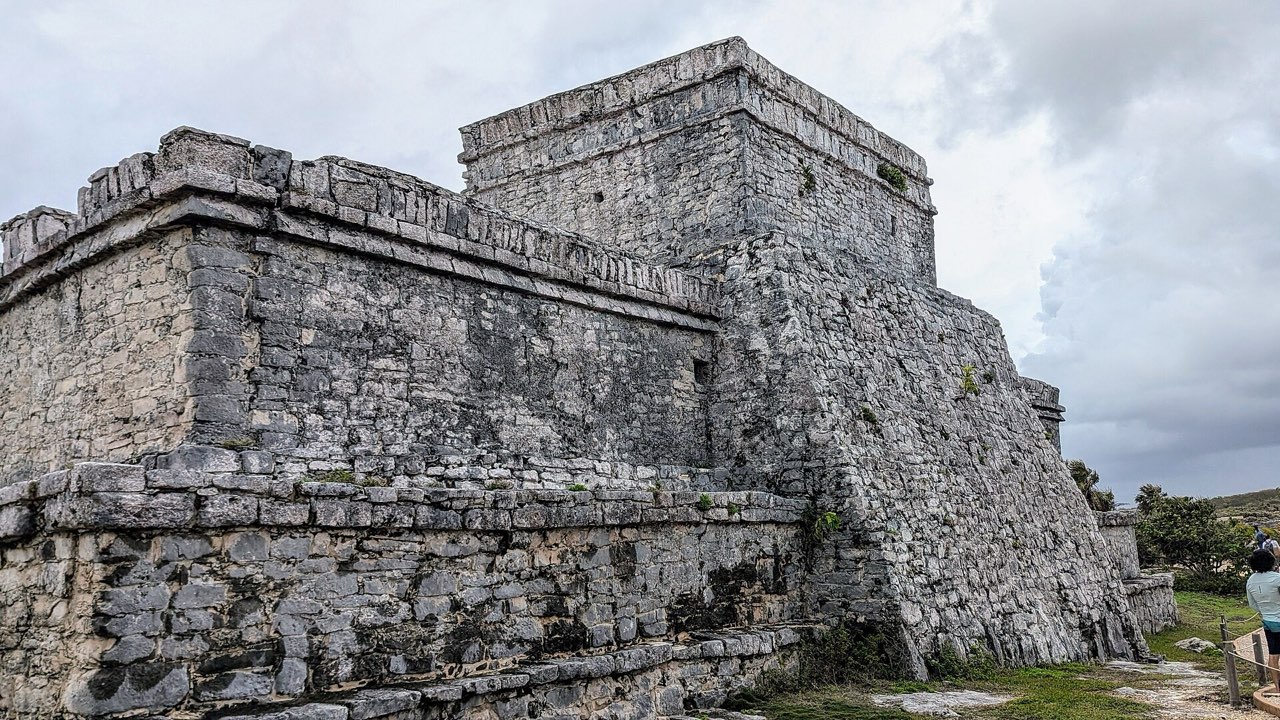
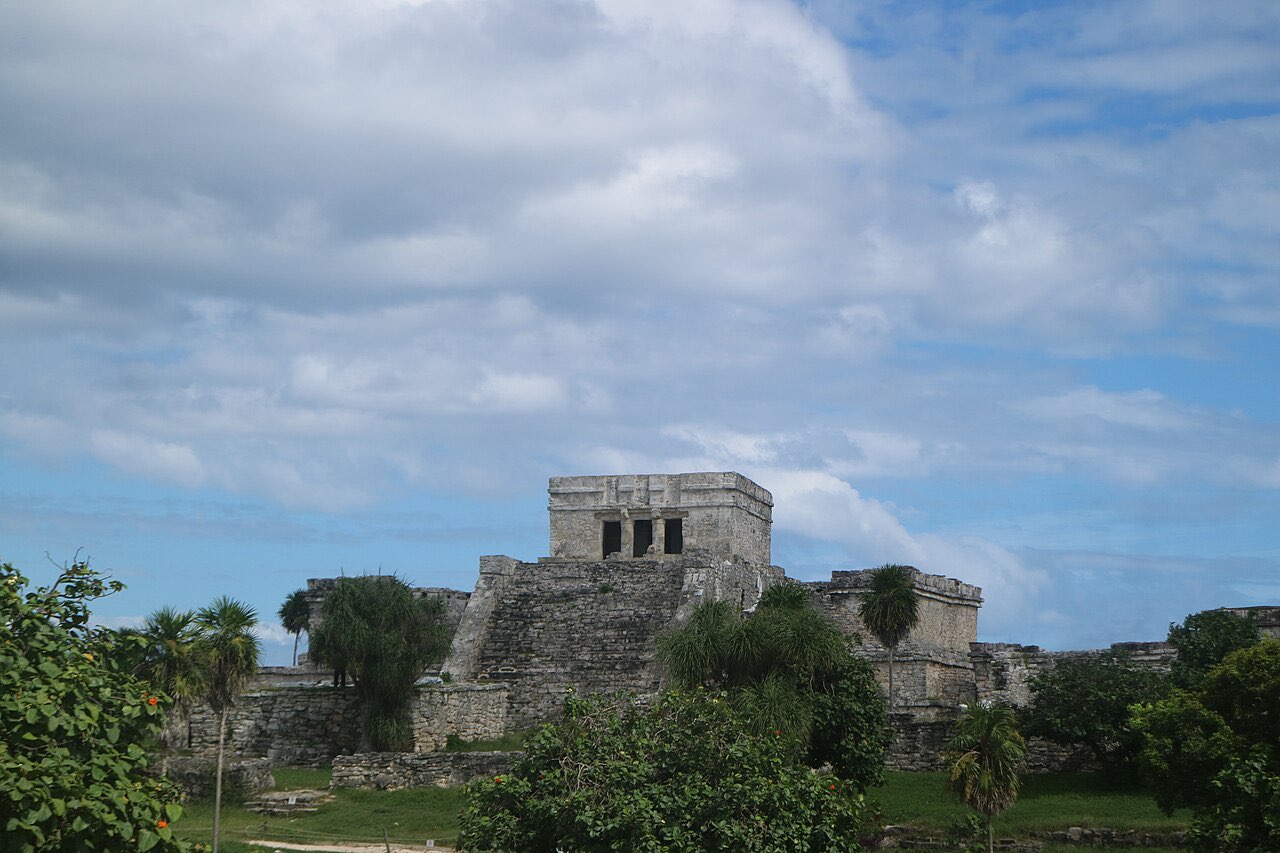
Give yourself at least 90 minutes inside the walled area, and closer to two hours if you want to read the signs, walk to the cliff edges, and spend time at the beach. The site is compact: a walled city perched on a low bluff, with El Castillo as the tallest structure.
Getting in: entrances, the shuttle, and parking
The July 2026 changes also altered how people reach the gate. According to the announcement reported by Infobae, the Parque del Jaguar is now free to enter, and an internal electric shuttle costs 20 MXN per ride if you want it. The walk from the traditional entrance to the ruins is described as 300 to 400 metres, which most people do on foot in under ten minutes. The traditional entrance was also being redesigned without the wall that once blocked views.
Practical points from the same reporting and INAH’s own page:
- INAH gives the main entrance as km 230 of the Chetumal to Cancun federal highway, about 128 km south of Cancun.
- The south access has been closed to vehicles, with a parking area announced but not confirmed as finished.
- The Parque del Jaguar lists the visitor centre (CATVI) as its main access.
- Parking fees and exact parking arrangements are the things to check locally. We could not confirm a published fee.
If you are staying in Tulum town, the simplest approach is a taxi (agree the fare first) or a bike for the few kilometres along the highway. From Playa del Carmen or Cancun, our guides to Playa del Carmen to Tulum and Cancun to Tulum transport compare buses, colectivos, the Tren Maya, and private transfers.
When to go: beating the crowds and the heat
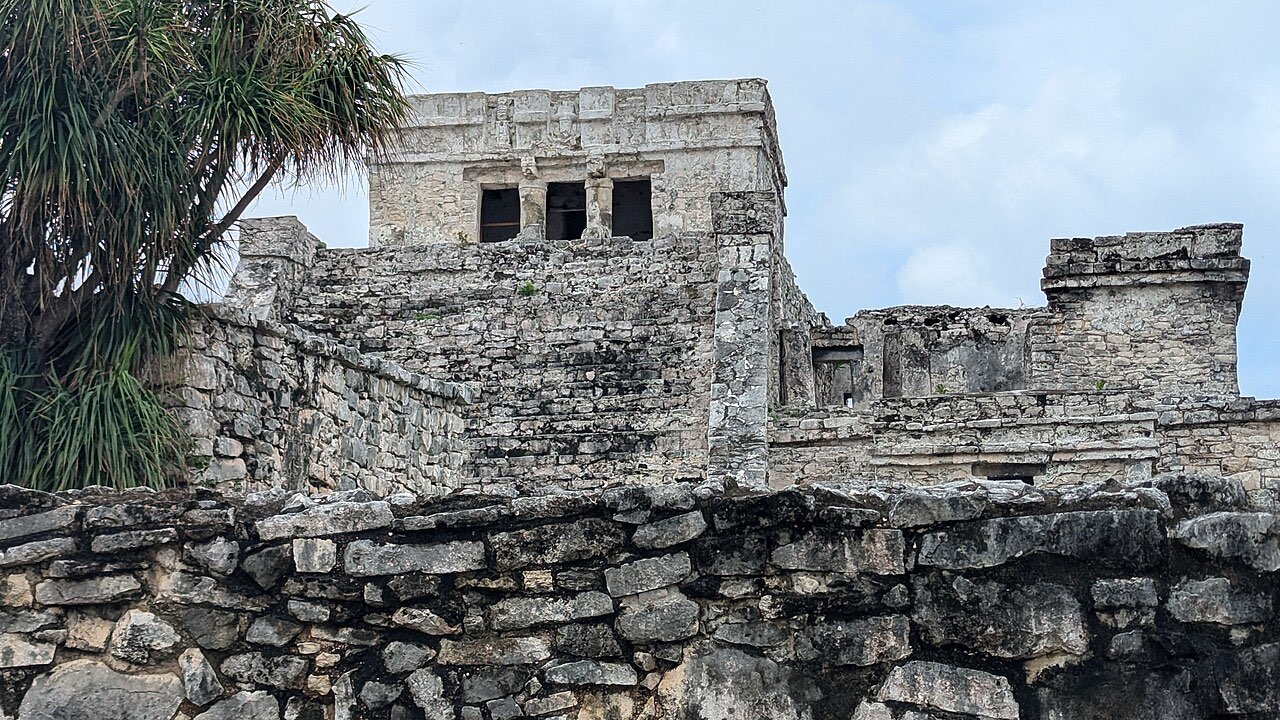
Tulum is open ground. There is very little shade between the buildings, the sea reflects the sun, and the tour buses from Cancun, Playa del Carmen and the cruise ports arrive from mid-morning. Three rules cover most of what matters:
- Be at the gate at 8:00 a.m. This is the only slot where the light is soft, the stone is cool, and you can photograph El Castillo without a line of people in the frame.
- Second choice: arrive after 2:00 p.m. The groups thin out, the light turns warm, and you still have until 3:30 p.m. to enter. You will be rushed, and the heat is still strong in summer.
- Avoid Sundays and holiday weekends. Sundays are free for Mexican nationals, which is good for them and bad for your crowd-free photos. Weeks around Easter, Christmas and the Day of the Dead can also be busy.
The dry season, roughly November to April, is more comfortable than the humid summer. From about April through September, seaweed can also coat the beach below the site, which is covered in our sargassum season guide. Hurricane season runs June through November and a storm can close the site without notice.
What to bring and what to expect
Bring a hat, sunscreen for the walk to the site (not for any cenote you visit later), water, and shoes you can walk in on uneven stone. The ruins are not wheelchair friendly, and the paths between the buildings are uneven and rope-lined. Climbing on the structures is not permitted, and the old stairs and platforms are fenced off.
Inside, the layout is easy. The wall surrounds the main complex on its north, south and west sides, while the east side faces the sea, and INAH notes five wall openings and two watchtowers. The path leads you past the smaller buildings to the cliff overlooking the Caribbean. INAH also points to the Temple of the Initial Series, where the earliest documented date at Tulum (564 CE) was found.
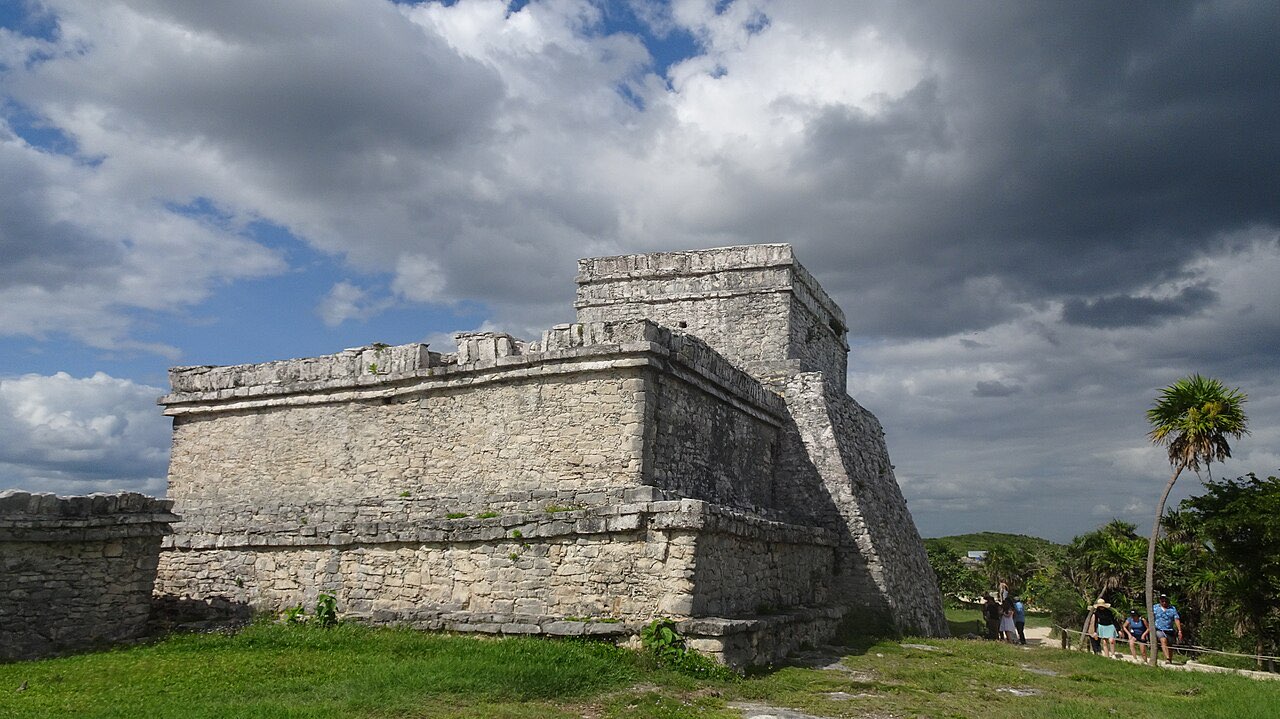
Photography with a phone or small camera is normal. We could not verify the rules on tripods, drones or professional equipment inside the INAH zone, and the surrounding park lists drones among the things it discourages, so do not fly one. If you need a permit for commercial photography, contact INAH Quintana Roo, whose contact details are on the official page.
The beach below the ruins
The most photographed moment at Tulum is the small cove beneath El Castillo. The government’s July 2026 announcement stated that the historic Tulum beaches are free to access and that ten public beach entrances had been opened or formalised. Reaching the sand is described as free, separate from the ruins ticket, but check where the access points are when you arrive.
Swimming conditions change daily. The cove is small, the surf can be strong, and in sargassum season the sand can be covered in brown seaweed. Ask a guard at the entrance and look before you commit to carrying towels. If the beach is not usable, the nearby cenotes are the standard fallback. Our Gran Cenote guide covers the best-known one, and our Tulum guide explains how the beach zone and the town fit together.
A simple plan for half a day
- 7:30 a.m. Taxi or bike to the entrance. Buy tickets before 8:00 if the booth is open.
- 8:00 to 9:45 a.m. Walk the site and photograph El Castillo before the groups arrive.
- 9:45 to 11:00 a.m. Beach if conditions allow, otherwise leave before the heat peaks.
- Late morning Lunch in Tulum town, then a cenote in the afternoon.
If you are doing Tulum on the way to or from another ruin, the Coba ruins guide explains the jungle site inland, where the crowds and the rules differ.
Mistakes to avoid
- Paying more than the posted unified fee. If someone at the road sells a “package” or a “guide” at the gate, you can decline. Guides are optional, so agree on a price before you start if you want one.
- Arriving after 3:30 p.m. Last entry means last entry.
- Relying on old price lists. Anything quoting 400 to 515 MXN predates the July 2026 reduction.
- Wearing sunscreen to a cenote afterwards. Rinse off first. Most cenotes ask for no sunscreen at all.
- Skipping water. There is little shade and no easy refill inside the walls.
Sources and how to double-check
We checked the INAH zone page, the Parque del Jaguar page, and national news coverage of the July 2026 announcement. Prices, hours and access rules at heritage sites can change on short notice, so confirm them on the INAH page or by calling the Quintana Roo INAH office, whose number is listed there, before you travel.
Frequently asked questions
How much does it cost to enter the Tulum ruins in 2026?
As of October 2026, INAH's page for the Tulum archaeological zone lists a single unified fee of 265 MXN (roughly $14 USD) for foreign visitors and 80 MXN for Mexican nationals. It says the unified fee already includes the charges collected for CONANP and the Parque del Jaguar operator, so you should not pay a second ticket for the park. Fees were cut by about half in July 2026, so older blog posts quoting 400 to 515 MXN are out of date. Confirm on the INAH page before you go.
What time do the Tulum ruins open and close?
INAH lists 8:00 a.m. to 5:00 p.m. daily, with last entry at 3:30 p.m. The surrounding Parque del Jaguar lists an 8:00 a.m. opening, last access at 5:00 p.m., and closing at 7:00 p.m., but that does not extend the INAH ticket window for the ruins themselves. Arrive well before 3:30 p.m. if you want more than a quick look.
Is the Tulum archaeological site free on Sundays?
Sunday entry is free for Mexican nationals, according to the July 2026 announcement. Foreign tourists still pay the 265 MXN fee on Sundays, and the free day tends to bring more domestic visitors, so go early or pick another day.
Can you swim at the beach below the Tulum ruins?
The government says the historic Tulum beaches are free to enter, and the cove beneath El Castillo is the postcard spot. Whether swimming is open on a given day depends on sea conditions and site rules, and sargassum can cover the sand in season, so ask at the entrance and bring swimwear in your bag rather than assuming. Rules inside the INAH site can change, so check on arrival.
Is it better to visit the ruins in the morning or afternoon?
Morning, as close to 8:00 a.m. as you can manage. The site is open ground with little shade, tour groups arrive from mid-morning, and by midday it is hot and crowded. The late afternoon, before the 3:30 p.m. last entry, is the second-best window if you do not mind a shorter visit.
Keep planning
- Playa del Carmen Guide: Beaches, Quinta Avenida, and More
A practical guide to Playa del Carmen: where to stay by vibe, the best beaches, the Cozumel ferry, day trips, and how it compares to Cancun and Tulum.
Updated Oct 2026 - Tulum Guide: Beach Zone vs Pueblo, Ruins, and Real Costs
Tulum's beach zone and pueblo are wildly different in price. We cover the ruins, nearby cenotes, the new TQO airport, and how to visit without overspending.
Updated Aug 2026 - Cancun Airport to Your Hotel: Every Transfer Option Compared
ADO bus, private transfer, shared shuttle, taxi, or rental car from Cancun airport? We compare cost, time, and hassle, plus how to get past the terminal touts.
Updated Oct 2026