Playa del Carmen Guide: Beaches, Quinta Avenida, and More
In this guide
Playa del Carmen is the most convenient base on the Riviera Maya: a genuinely walkable beach town sitting dead-center on the coast, with the Cozumel ferry at the foot of its main street, colectivos to the cenotes and Tulum running every few minutes, and a beach you can reach on foot from almost any hotel. It lacks Cancun’s mega-resort polish and Tulum’s photogenic jungle-chic, and that is precisely why many repeat visitors end up preferring it. Here is how the town works and how to use it well.
The lay of the land
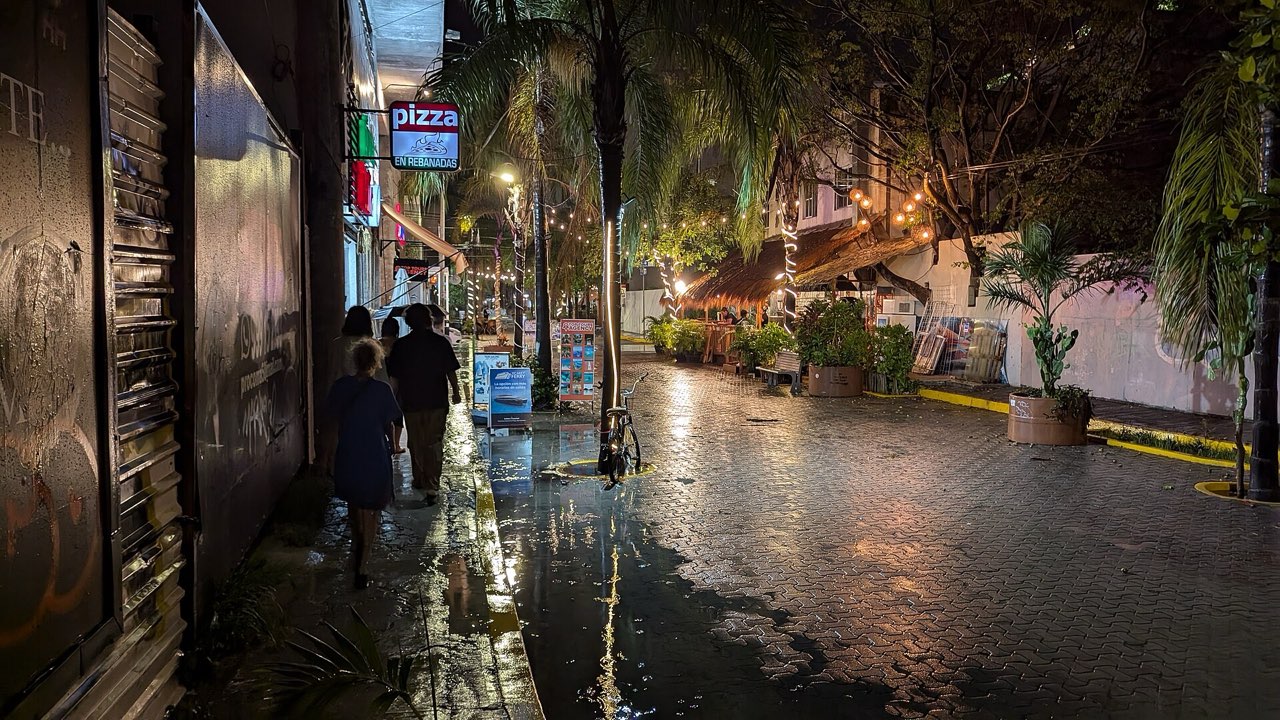
Playa (as everyone calls it) is a simple grid. Quinta Avenida (5th Avenue) is the spine — a pedestrian street running parallel to the beach for roughly 40 blocks, packed with restaurants, bars, shops, and a nightly river of people. The beach is one or two blocks east of it along its entire length. Numbered calles cross it; the ferry pier and the main plaza anchor the southern end around Calle 1, and the scene gets progressively quieter as the numbers climb north past Calle 38.
That is genuinely the whole orientation lecture. If you can count, you can navigate Playa.
Where to stay, by vibe
- Centro / south end (Calle 1–14): Closest to the ferry pier, the ADO terminal, and the densest nightlife. Loud, convenient, cheapest range of hostels and budget hotels. Pick this for short stays built around the Cozumel ferry or a party trip.
- Mid-Quinta (Calle 14–34): The sweet spot for most people — boutique hotels and condos, quieter nights, everything still walkable. Mamitas Beach, the town’s most polished stretch of sand, sits at the end of Calle 28.
- North end (Calle 38 and up): Calmer, leafier, more residential; some of the nicest beach in town near Calle 46 and beyond. Best for couples and longer stays that want the town at arm’s length.
- Playacar: The gated resort-and-golf community just south of the pier. All-inclusives, manicured grounds, and a beautiful beach — but you are sealed off from the town’s actual charm. Choose it only if a resort bubble is what you want.
Approximate pricing: hostel beds from roughly $15–25 USD, decent mid-range hotels roughly $60–150, and beachfront boutiques roughly $150–350 depending on season.
The beaches
Playa’s beach is good rather than legendary — softer and narrower than Cancun’s best, with swimmable calm water most days. Mamitas Beach (Calle 28) is the hub, with beach clubs, music, and rentable loungers. The stretches north of Calle 38 are quieter and often prettier. For a proper excursion, Punta Esmeralda at the far north end has a small cenote outlet meeting the sea and a distinctly local, family feel.
Sargassum honesty: like the whole mainland coast, Playa gets seaweed influxes roughly April through September, varying enormously week to week. Beach clubs rake their frontage daily. In a heavy sargassum week, do what savvy visitors do — take the ferry to Cozumel’s west coast or a colectivo to a cenote, both largely seaweed-proof. Hurricane season runs June through November, peaking September–October.
The Cozumel ferry
The passenger ferry is Playa’s superpower. Two companies, Ultramar and Winjet, run from the pier at the foot of Quinta. Ultramar’s posted schedule (checked October 2026) has Playa departures at 9:00, 10:00, 11:00, 13:00, 15:00, 15:30, 17:00, 19:00 and 21:00, and returns from Cozumel at 8:00, 9:00, 10:00, 12:00, 14:00, 14:30, 16:00, 18:00 and 20:00, so plan around those gaps rather than assuming an hourly boat; check Winjet’s own timetable if you prefer it. The crossing takes roughly 35 to 45 minutes and can be rolly — sit low and central if you are prone to seasickness. Ultramar’s posted adult round-trip fare is 640 MXN (roughly $35 USD) and Winjet reportedly charges about the same; buy at the pier, and ignore anyone “helping” you to a ticket window for a tip.
Cozumel’s west coast has the best easy snorkeling in the region and generally clearer water than the mainland. Rent a snorkel set, taxi to a beach club south of town, and you have a world-class water day for modest money.
Day trips: why Playa is the base
From the middle of the coast, everything is one cheap hop away:
| Destination | How | Time (approx.) | Cost (approx.) |
|---|---|---|---|
| Cozumel | Ferry from the pier | ~35-45 min | |
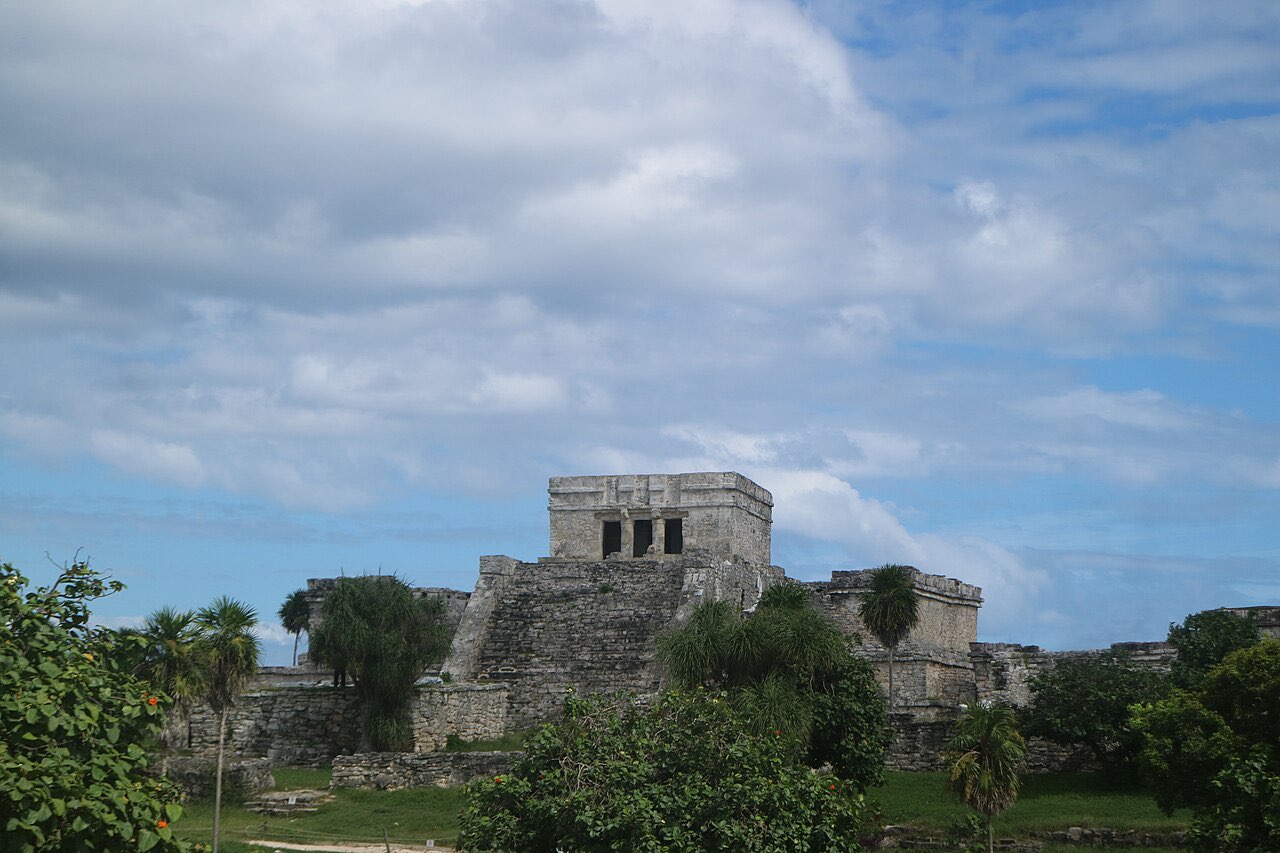
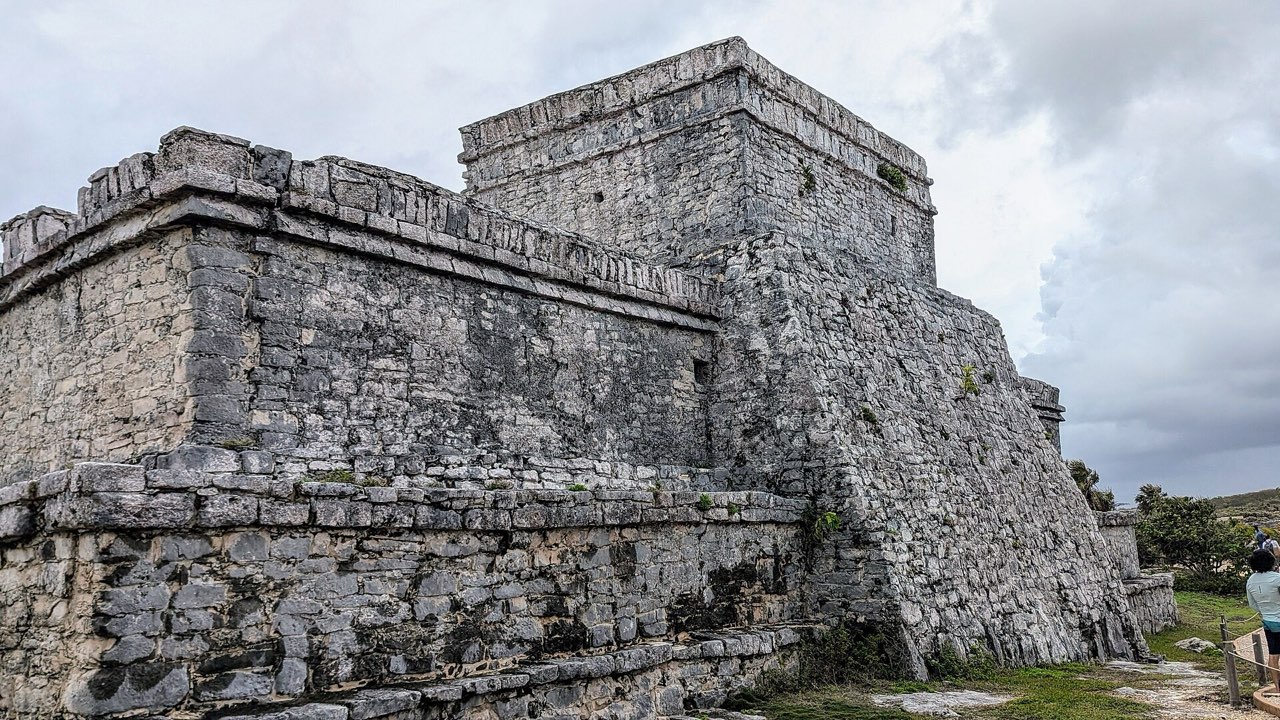
| Tulum ruins & pueblo | Colectivo from Calle 2 | ~60 min | 50–70 MXN each way |
| Cenotes (Dos Ojos, Gran Cenote area) | Colectivo toward Tulum, stop on request | 30–50 min | 40–60 MXN plus entry |
| Cancun | ADO bus or colectivo | ~70 min | 70–150 MXN |
| Akumal (turtle bay) | Colectivo | ~30 min | 40–50 MXN |
| Cobá ruins | ADO or tour | ~2 hr | varies |
Colectivos to Tulum leave from Calle 2 between Avenidas 15 and 20, departing as they fill — usually every few minutes in daylight. Tell the driver your stop (any cenote on the highway works) and pay in cash. This is the trick that makes a no-car trip down the coast painless, and it is the backbone of our 7-day no-car itinerary.
For cenote selection — which of the dozens actually merit your time — see our best cenotes guide.
Eating and nightlife
Quinta Avenida itself is a tourist corridor, and prices reflect it: figure roughly 250–500 MXN per person for a decent sit-down dinner on the avenue, more at the flashy places. The value move is walking two or three blocks inland — along Avenida 10, Avenida 30, and the side calles — where taquerías and fondas serve the same region’s food at half the price. El pastor tacos, cochinita, fresh seafood tostadas: all in abundance.
Nightlife runs the gamut from mezcal bars on the quiet north end to full clubs around Calle 12, which is the concentrated party block. It is smaller-scale and more walkable than Cancun’s club scene — you can bar-hop on foot all night, which is either the selling point or the warning, depending on your constitution.
How Playa compares to Cancun and Tulum
- Versus Cancun: Cancun has the better beach and the big resorts; Playa has walkability and integration — your hotel, dinner, and the sand are all on the same grid. Cancun’s Hotel Zone is a strip you commute along; Playa is a town you live in. Budget travelers should read our Cancun budget guide before assuming Cancun is out of reach, but Playa’s mid-range is arguably the best value on the coast.
- Versus Tulum: Tulum has the aesthetic — jungle, ruins on a cliff, designer beach clubs — and prices to match; its beach zone and town are physically separated in a way that makes car-free logistics annoying. Playa is cheaper, denser, and easier, with less magic per photograph. Details in our Tulum guide.
Practicalities
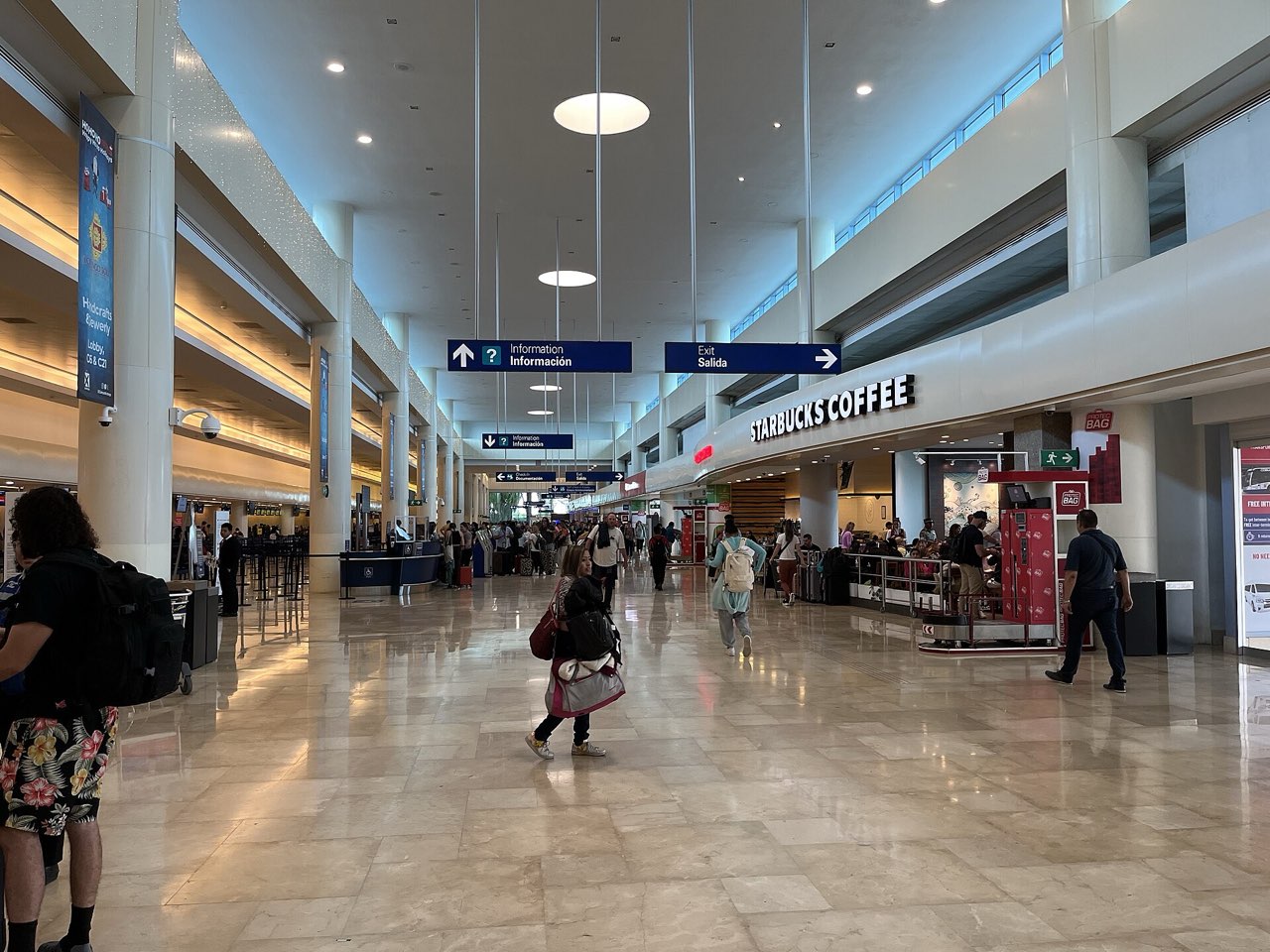
- Getting there: From Cancun airport, the ADO bus runs direct to Playa’s terminal for roughly 250–300 MXN in about an hour — usually the smartest arrival play, covered in our airport transfer guide.
- Money: Cards are widely accepted on Quinta; carry cash for colectivos, market food, and tips. Use bank ATMs, not the freestanding ones on the avenue.
- Hustle factor: Quinta’s shop touts and “amigo, best price” energy is constant but harmless; a smile and “no gracias” without breaking stride is the whole technique.
Playa del Carmen will not win the beauty contest against Tulum’s beach or Cancun’s turquoise. What it wins is the trip itself: more done, less spent, everything on foot. For most first-time Riviera Maya itineraries, it is the right center of gravity.
Frequently asked questions
Is Playa del Carmen better than Cancun?
It is different rather than better. Playa del Carmen is a walkable beach town where hotels, restaurants, and the beach mix together; Cancun separates a resort strip from a working city. If you want to walk everywhere and use one base for day trips, Playa usually wins.
How do I get from Playa del Carmen to Cozumel?
Passenger ferries leave from the pier at the foot of Quinta Avenida. Ultramar's posted Playa departures are 9:00, 10:00, 11:00, 13:00, 15:00, 15:30, 17:00, 19:00 and 21:00, so it is not strictly hourly and the first boat is at 9:00. The crossing takes roughly 35 to 45 minutes, and Ultramar's posted adult fare is 640 MXN round trip (roughly $35 USD), and Winjet reportedly charges about the same.
How many days do you need in Playa del Carmen?
Three to four nights is the sweet spot: one beach day, one Cozumel or Isla day, one cenote or ruins day, and evenings on Quinta Avenida. As a base for a longer no-car trip it comfortably fills five or more.
Is Playa del Carmen walkable?
Yes — that is its main advantage. The tourist core is a compact grid where the beach, the ferry pier, Quinta Avenida, and most hotels sit within a 15–20 minute walk of each other. You can do an entire stay without a car or taxi.
Keep planning
- Tulum Ruins: Tickets, Hours, and How to Avoid the Crowds
Tulum ruins ticket price, opening hours, last entry, parking, the Parque del Jaguar shuttle, and the best time to arrive, checked against INAH in October 2026.
Updated Oct 2026 - Tulum Guide: Beach Zone vs Pueblo, Ruins, and Real Costs
Tulum's beach zone and pueblo are wildly different in price. We cover the ruins, nearby cenotes, the new TQO airport, and how to visit without overspending.
Updated Aug 2026 - Cancun Airport to Your Hotel: Every Transfer Option Compared
ADO bus, private transfer, shared shuttle, taxi, or rental car from Cancun airport? We compare cost, time, and hassle, plus how to get past the terminal touts.
Updated Oct 2026